
"startup ecosystem"
1400 article(s) found
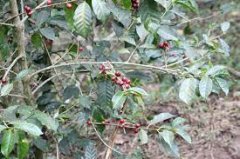
Introduction of El Salvador Neverland Coffee Variety Bourbon Coffee Bean flavor and taste hot
La Ilusin the average coffee tree on the farm is more than 20 years old and grows 95 per cent of bourbon (70 per cent red bourbon and 25 per cent orange bourbon). The remaining 5% is a combination of other varieties, and some tin trees and Kenyan trees may also be found. The farm is operated in an environmentally friendly way because farmers are trying to keep balance with the surrounding ecosystem, while Zhou
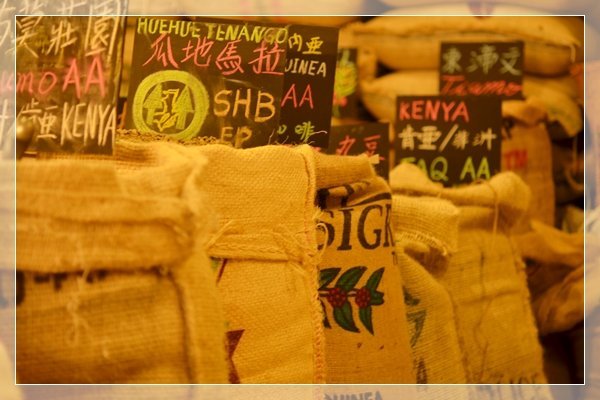
Ethiopia-Ghimbi, Sidamo, Harar and Yegashefi
Ethiopia's coffee-producing areas are divided into east and west parts by the Great Rift Valley. Lakes, volcanoes, lowlands, plateaus and woodlands alternate and evolve independently. Ethiopia has the most diverse coffee ecosystem in the world (forest coffee, semi-forest coffee, pastoral coffee and plantation coffee), which also allows it to preserve its rich Arabica genes. The eastern half is mostly plateau, coffee beans

Ethiopian Coffee Manor Ted Manor Ethiopian Coffee producing area
Ethiopian coffee beans grow in close to the natural environment, after years of planting under the same growth conditions, Ethiopian coffee beans have gradually adapted to the environment here. More than 60% of coffee beans are grown in forests or semi-forests. Large-scale coffee-growing villages account for about 35% of the country's total coffee production. Many of these are used.
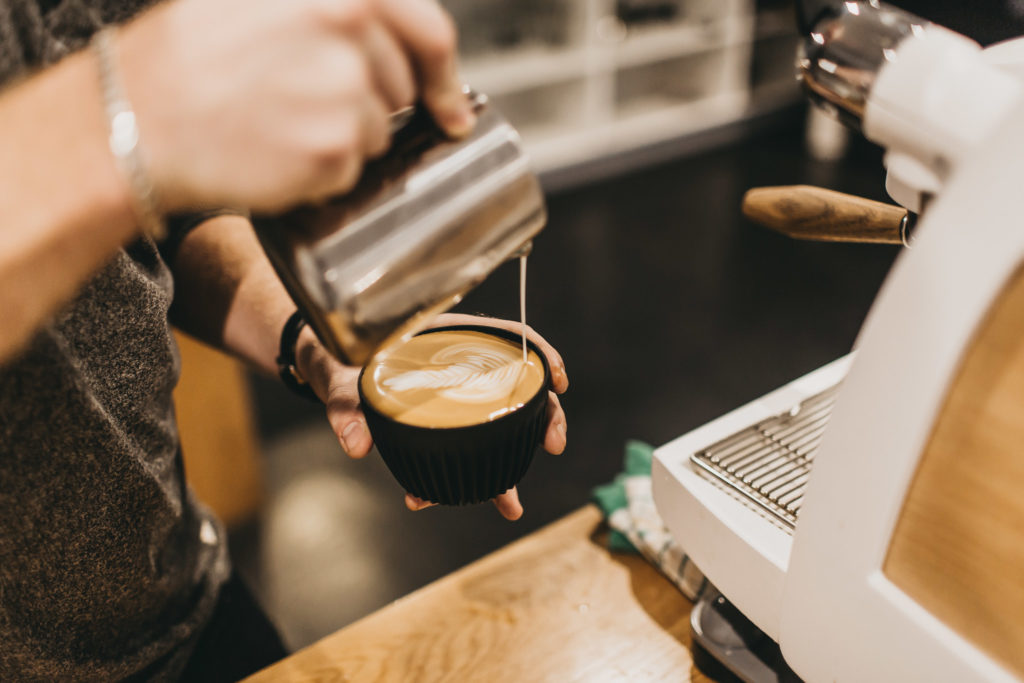
Coffee cups are constantly innovative in environmental protection: coffee cups made of coffee?
Professional baristas Please follow the Coffee Workshop (Wechat official account cafe_style). This cup has rewritten the meaning of the word coffee cup. It has evolved from a cup that only drinks coffee to a cup made of coffee bean shells and specially used for drinking coffee. Food and Wine reported that HuskeeCup recycled coffee bean shells from the coffee manufacturing process to make cups.

Ethiopian Coffee Bean Flavor Manor introduces Ethiopian Coffee Brands
Ethiopian coffee beans grow in close to the natural environment, after years of planting under the same growth conditions, Ethiopian coffee beans have gradually adapted to the environment here. More than 60% of coffee beans are grown in forests or semi-forests. Large-scale coffee-growing villages account for about 35% of the country's total coffee production. Many of these are used.

Introduction of Ethiopian Coffee producing areas with unique Natural conditions
Ethiopian coffee beans grow in close to the natural environment, after years of planting under the same growth conditions, Ethiopian coffee beans have gradually adapted to the environment here. More than 60% of coffee beans are grown in forests or semi-forests. Large-scale coffee-growing villages account for about 35% of the country's total coffee production. Many of these are used.

Ethiopian Fine Coffee Flavor characteristics of Ethiopian Coffee Yega Chefe Coffee
Ethiopian coffee beans grow in close to the natural environment, after years of planting under the same growth conditions, Ethiopian coffee beans have gradually adapted to the environment here. More than 60% of coffee beans are grown in forests or semi-forests. Large-scale coffee-growing villages account for about 35% of the country's total coffee production. Many of these are used.

Coffee from Africa with sweet taste and rich floral aroma Ethiopian gardenia G1
For more information on coffee beans, please follow the Coffee Workshop (official Wechat account cafe_style) although Ethiopia is an underdeveloped country in northeast Africa, it is a famous coffee producer in the world. Ethiopia has the most diverse coffee ecosystem in the world (forest coffee, semi-forest coffee, pastoral coffee and plantation coffee).

What is organic coffee? Is the price of organic coffee high? Will organic coffee be healthier?
What makes coffee organic? Did you know that about 3/4 of all Fairtrade coffee is produced and produced organically? The main reason is that small family farmers are more likely to use organic farming techniques, while small family farmers are farmers served by fair trade practices. Organic farms do not allow the use of synthetic chemicals, fertilizers or pesticides in farming or production. If you mark the coffee
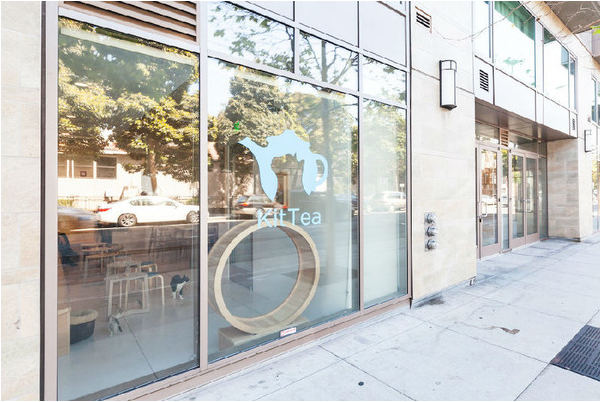
The cat-themed cafe has become a resting place for people's minds.
Wen / Ma Yue for many cat lovers, such a cat cafe may be cute: Japanese minimalist bright furnishings, free walking cats, plenty of tea and coffee. Customers can enjoy a lazy and comfortable afternoon tea surrounded by cats. KitTea Cafe, a Japanese cat cafe in Hayes Valley, San Francisco, is called K

Is it good to wash Kaddura coffee in Francisco, Nicaragua? Nicaraguan coffee hand brewing suggestion
For more information on coffee beans, please follow the Coffee Workshop (official Wechat account cafe_style). Storm Manor (Finca La Tormenta), which won the fifth place in the 2011 COE excellent Cup Competition, is managed by Mr. Francesco. In Storm Manor, in addition to different coffee varieties can be found, it is also a self-contained natural ecosystem.
Ethiopian gardenia G1 comes from Africa with sweet taste and rich floral flavor of coffee.
For more information on coffee beans, please follow the Coffee Workshop (official Wechat account cafe_style) although Ethiopia is an underdeveloped country in northeast Africa, it is a famous coffee producer in the world. Ethiopia has the most diverse coffee ecosystem in the world (forest coffee, semi-forest coffee, pastoral coffee and plantation coffee).

How to get the extraction part of Delong coffee machine S3200 stuck at the bottom?
Delong coffee machine S3200 extraction part stuck in the bottom how to go up 1 Delong 2200, Delong 3000B, Delong 3200, Delong 4000, Delong 4200 series coffee machine, the warning light is always on and the machine does not work. After entering the test mode, start the motor, the motor has a slight action, but does not work. After inspection, the bridge stack (rectifier bridge) on the circuit board is damaged and the bridge pile is replaced.
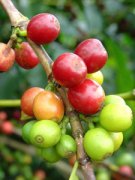
Harald (Harar) Berry delightfully fermented mixed flavors in the Eastern Highlands of Ethiopia
The coffee-producing region of Ethiopia is divided into east and west parts by the East African Rift Valley, with lakes, volcanoes, lowlands, plateaus and woodlands interlaced, each evolving. Ethiopia has the most diverse coffee ecosystem in the world (forest coffee, semi-forest coffee, pastoral coffee and plantation coffee), which also preserves its rich Arabica genes. The eastern half is mostly plateaus, coffee beans.
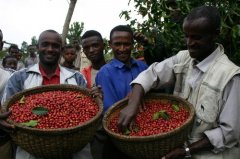
Jasmine tea, which is preferred by Ghimbi growers as a composite bean material, is fragrant and bitter
Ethiopia's coffee-producing areas are divided into east and west parts by the Great Rift Valley. Lakes, volcanoes, lowlands, plateaus and woodlands alternate and evolve independently. Ethiopia has the most diverse coffee ecosystem in the world (forest coffee, semi-forest coffee, pastoral coffee and plantation coffee), which also allows it to preserve its rich Arabica genes. The eastern half is mostly plateau, coffee beans

CUPS New York City integrates local independent coffee shops to provide package service to customers.
If you live in New York and are a coffee-free addict, CUPS, an app of the same name developed by the Israeli team CUPS, is definitely worth saving a place for it on your phone's home page. Currently, CUPS only serves the New York City area. With a monthly plan, users can enjoy the corresponding kinds of coffee or tea drinks in the independent coffee shop. Americ
Instructions for the following four lights to jump in turn after the Delong coffee machine is turned on
After the Delong coffee machine is turned on, the following four lights take turns jumping instructions on how to use the Delong coffee machine (1) 1 Delong 2200, Delong 3000B, Delong 3200, Delong 4000, Delong 4200 series coffee machine, the warning light is always on, the machine is not working. After entering the test mode, start the motor, the motor has a slight action, but does not work. After inspection, the line

A brief introduction to the History and Culture of the Origin and Development of Coffee in Coffee Cochel Manor of Ethiopia
These forest ecosystems also have a variety of medicinal plants, wildlife and endangered species-coffee grows in areas ranging from 1400 to 1800 meters above sea level. This kind of coffee is natural or sun-cured; it is weakly moderately acidic, the fruit is full, and the average quality is good; the smell is fragrant and mellow; one drop in the mouth, endless aftertaste. According to estimates, of the 127000 hectares of planting area,

Yega Xuefei Coffee beans Brazil selection Coffee beans
Yirgacheffe Yirgacheffe Ethiopian mocha beans freshly roasted 200g Ethiopia's Yirgacheffe coffee although petite, it is gentle and delicate, sweet and lovely. As the hometown of coffee, thousands of years of planting history and processing tradition in Ethiopia have created high-quality washed Arabica beans. Shallow baking has unique lemons and flowers.

Kenyan coffee treatment method
Coffee trees in Kenya are mostly planted at 1400 m-2000 m above sea level, and the growth areas include Ruiri, Thika, Kirinyaga and Mt. Kenya West, Nyeri, Kiambu and Muranga. Mainly in the foothills of Mt.Kenya and Aberdare. There are many producing areas in Kenya that strive to preserve the native forest ecosystem, protect the natural gene pool, and support the breeding of wild coffee varieties.